Types of orthodontics: advantages and disadvantages of each treatment
Orthodontics has evolved enormously in recent years. Today, patients can choose between different systems that combine efficiency, esthetics and comfort. However, not all types of orthodontics adapt to the same needs.
In this article we review the main treatments and tell you about their advantages and disadvantages to help you decide which one is right for you.
1. Traditional metallic orthodontics
It is the most classic treatment and, even today, one of the most effective. It uses metal brackets and an archwire that is periodically adjusted.
Advantages
-
Corrects all types of malocclusions with great precision.
-
It is usually the most economical option.
-
Very resistant and durable.
Disadvantages
-
It is the least aesthetic.
-
May cause minor chafing or discomfort at first.
-
It requires more visible periodic revisions.
2. Self-ligating orthodontics
It uses brackets with a clip system that replaces ligatures (rubber bands), reducing friction and improving comfort.
Advantages
-
Shorter treatment time and faster revisions.
-
More comfortable and easier to clean.
-
It can deliver more predictable results in less time.
Disadvantages
-
Slightly higher cost than conventional orthodontics.
-
Less aesthetic in its metallic version (although aesthetic options are available).
3. Aesthetic orthodontics (sapphire or ceramic)
The brackets are tooth-colored or clear, offering a more discreet alternative to metal brackets.
Advantages
-
More aesthetic, barely visible on a daily basis.
-
Equally effective as metal for most cases.
Disadvantages
-
More fragile than metal.
-
Treatment may be slightly prolonged.
-
It requires good hygiene to avoid stains.
You can learn more in our guide on dental hygiene and cleaning to keep your orthodontic treatment in top condition.
4. Lingual Orthodontics
The brackets are placed on the inside of the teeth, so they are completely invisible from the outside.
Advantages
-
Invisible from any angle.
-
Effective in complex corrections.
Disadvantages
-
Slower adaptation: it can generate friction with the tongue.
-
Higher cost.
-
More complex revisions.
5. Invisible orthodontics (Invisalign® aligners or other brands)
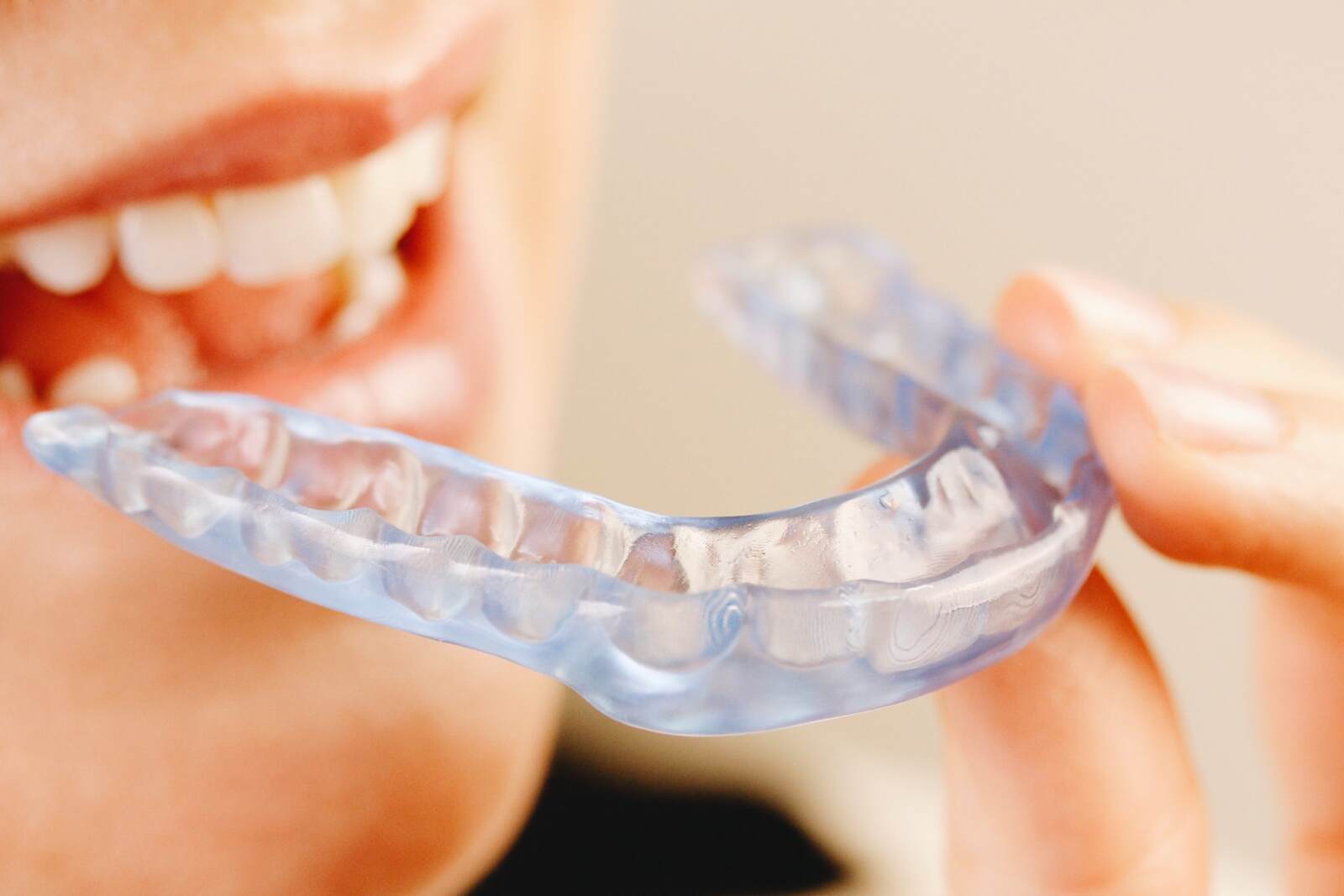
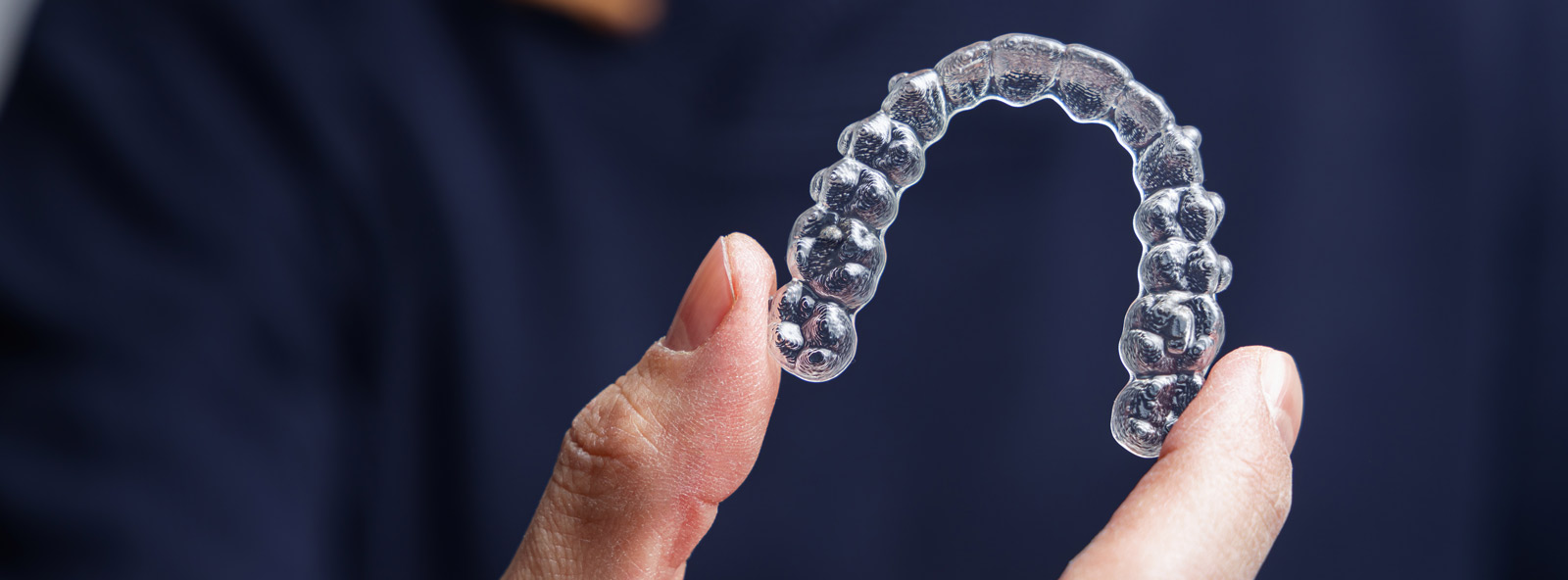
The most demanded system nowadays. It uses removable transparent splints that are changed every few weeks.
Advantages
-
Invisible and comfortable.
-
Allows removal of the splints for eating and brushing.
-
Reduces visits to the dentist.
Disadvantages
-
Requires discipline: must be worn 22 hours a day.
-
Not indicated in all complex cases.
-
Higher cost than metal orthodontics.
Conclusion
There is no “best” orthodontics for all cases. Each smile requires an individual study that takes into account your aesthetic goals, your bite type and your rhythm of life.
At Clínica Oris, our orthodontic specialists will advise you to choose the most appropriate treatment and achieve a healthy, functional and harmonious smile.

Artículos relacionados
Invisible Orthodontics, Orthodontics
Comprehensive oral health, Orthodontics