







Tobacco and dental health: what cigarettes do to the mouth
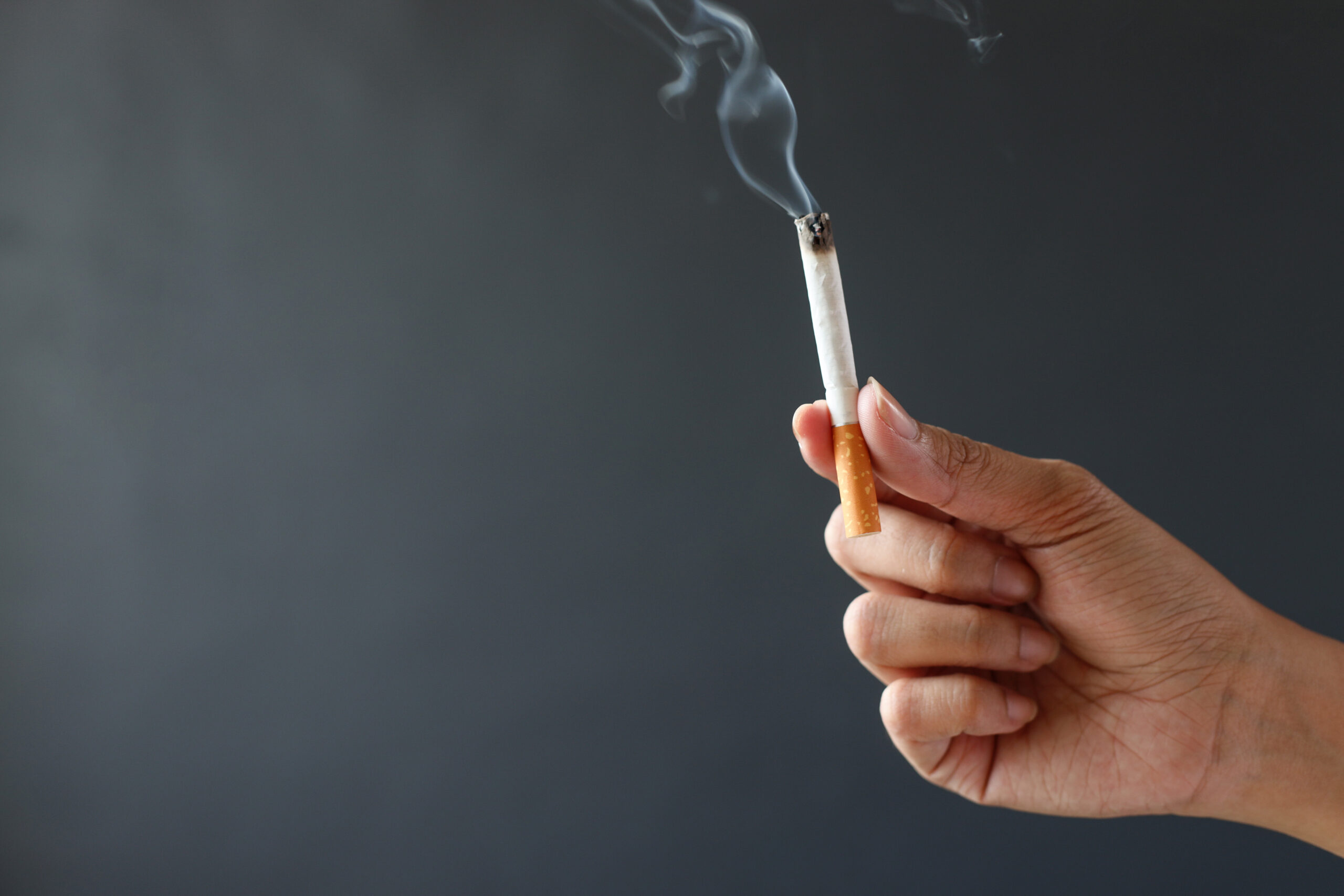
Smokers often arrive at the dental clinic having assumed that yellowish stains on their teeth are “normal,” that bad breath comes with the package, and that their gums “have always been that way.” Almost all of it is avoidable, and all of it is a direct consequence of tobacco. The difference is that in the mouth, the effects are not just cosmetic: tobacco is, by far, the leading modifiable risk factor for several of the most serious conditions seen in a dental clinic, including oral cancer.
This article walks through, without moralising and with data, what happens to the mouth when someone smokes, what can be recovered when they quit, and why smokers need a different follow-up plan than other dental patients.
What tobacco does to the mouth, in order of severity
1. Increases the risk of oral cancer
The most important first. Smoking multiplies the risk of oral cancer by 6 to 10 times, depending on the amount and years of consumption. Combined with alcohol, the risk multiplies up to 15 times. This is not an isolated piece of data: it is the main reason why screening protocols for smokers include systematic examination of the entire oral mucosa. Early detection, in this type of cancer, makes the difference between high and low survival rates.
2. Causes and accelerates periodontal disease
Tobacco acts on several fronts against the gums: it reduces vascularisation (less oxygen supply), lowers local immunity, alters bacterial balance, and impairs healing. The result: smokers are up to 5 times more likely to develop periodontitis, lose more bone, respond worse to treatments, and very often end up losing teeth before non-smokers.
A clinically misleading detail: smoking reduces gum bleeding due to vasoconstriction. This means a smoker with advanced periodontitis may not bleed when brushing and may confuse the absence of bleeding with health. It is the opposite — the gums are so poorly perfused that they do not react, which is worse, not better.
3. Causes persistent bad breath
Tobacco leaves volatile compounds on the mucosa, tongue, and saliva. It also encourages dry mouth and alters the flora. The result is halitosis that hygiene alone does not fully eliminate. Anyone who has tried to mask tobacco breath with gum or mouthwash knows what we are talking about. Bad breath has other causes, but in smokers it is the first to consider.
4. Stains teeth and fillings
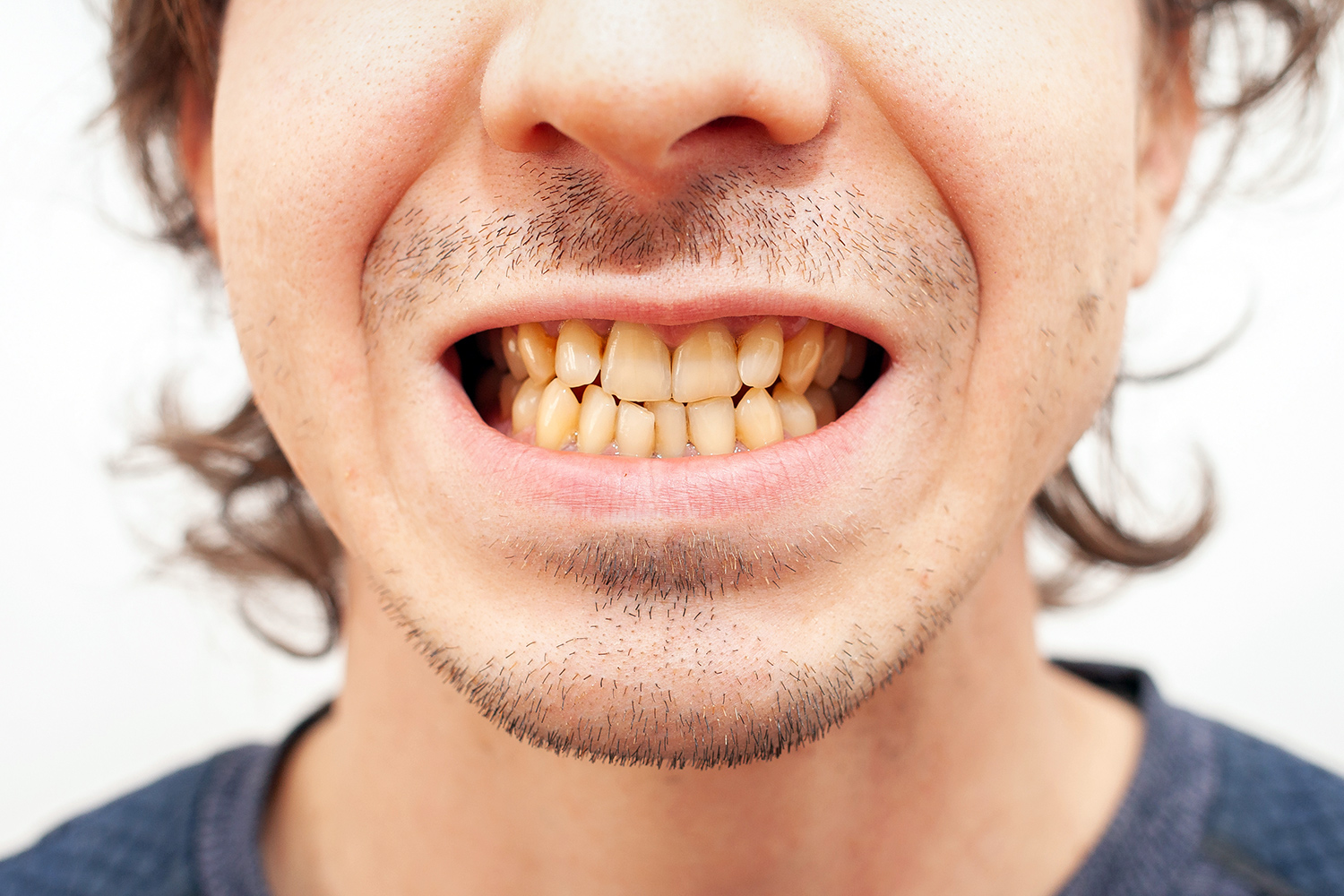
Nicotine and tar adhere to enamel and penetrate porous areas. Teeth take on a yellowish or brownish tone that professional cleaning lessens but does not always remove completely. Composite fillings and veneers also absorb pigments and end up changing colour. A tooth whitening can improve this, but without quitting smoking the stains come back.
5. Alters saliva and favours cavities
Tobacco reduces salivary flow and changes its composition. Less saliva means less mechanical clearance of bacteria, less acid neutralisation, and a higher likelihood of cavities. This is one of the reasons many long-term smokers accumulate cavities at the dental neck and exposed roots.
6. Delays healing after any treatment
Extractions, periodontal surgeries, implants, gum grafts. Everything heals worse in smokers. The implant failure rate in smokers is significantly higher: some studies place it up to double that of non-smokers. Dental implants are perfectly possible for smokers, but with greater risk and adapted protocols.
7. Gum recession
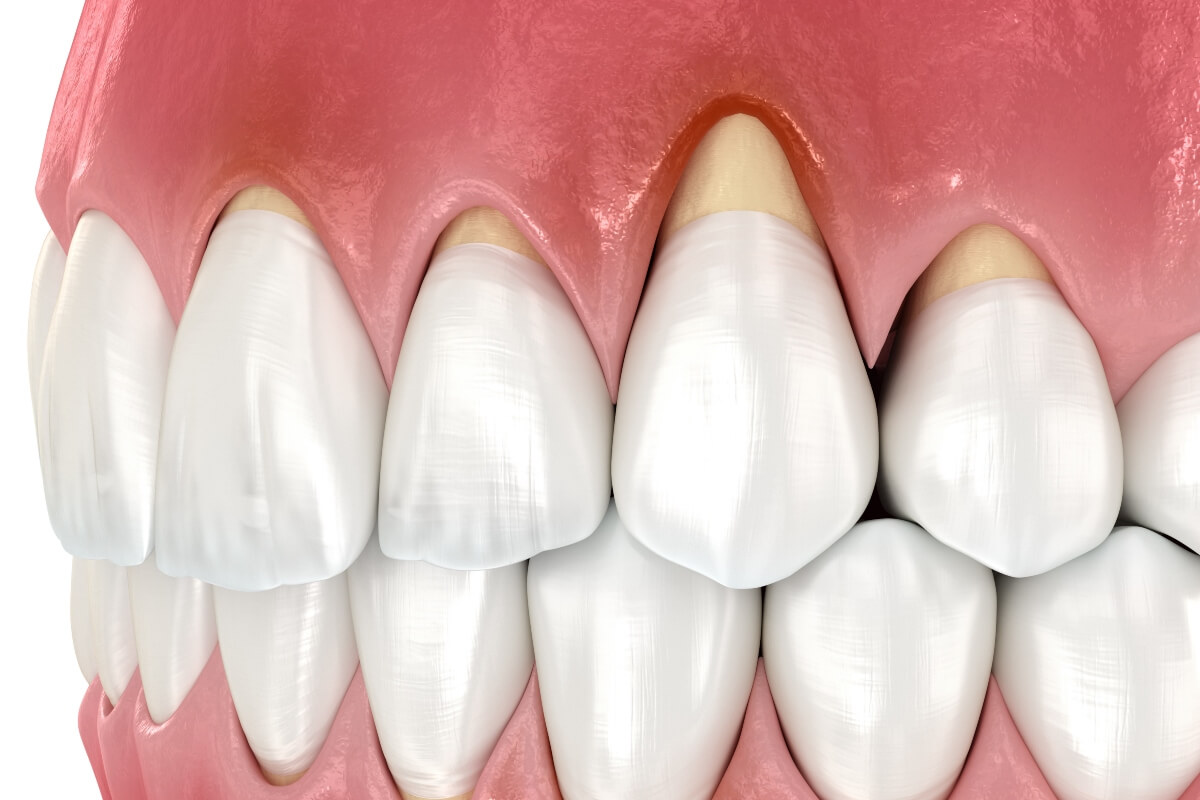
Gum recession is more frequent and more severe in smokers. The combination of poorer vascularisation and tissue damage causes the gums to recede with less provocation.
8. Dry mouth, burning sensation, and altered taste
Many smokers notice that food has lost its nuances. Reduced saliva also leads to a rough mouth feeling and a higher incidence of fungal infections. When you quit smoking, taste and smell improve rapidly — in fact, it is one of the first perceptible benefits.
What about electronic cigarettes? And heated tobacco?
These are different products from traditional cigarettes, but not harmless. Vaper aerosols contain nicotine (in most), solvents (propylene glycol, vegetable glycerin), and flavourings that, when heated, generate compounds that irritate the oral mucosa. Evidence on dental and gingival damage from electronic cigarettes is growing and goes in the same direction as tobacco, although probably with lesser magnitude.
What you recover when you quit smoking
The good part: the body adapts quickly once the stimulus is removed. Indicative timelines:
A complete diagnosis, free of charge
Find out the real condition of your oral health and exactly what treatment you need. A full dental check-up with advanced technology — no commitment, completely free.
Check-up value: €180 · No commitment · No small print
- ✓Panoramic X-ray
- ✓Cephalometric X-ray
- ✓Intraoral scan with 3D treatment simulation
- ✓Extraoral and intraoral photographs
- ✓Personalised diagnosis and treatment plan
- 24-48 hours: taste and smell begin to improve.
- 1-2 weeks: saliva recovers some of its flow and composition. Tobacco-specific bad breath disappears.
- 1-3 months: gingival vascularisation improves. Gums begin to respond better to periodontal treatments.
- 6 months: healing approaches that of a non-smoker. This is the ideal time to plan implants if they will be needed.
- 5 years: the risk of oral cancer drops significantly.
- 10-20 years: the risk approaches that of someone who never smoked.
Bone damage already caused by periodontitis does not reverse (lost bone does not come back), but progression slows. And many treatments that were contraindicated or had a reserved prognosis become viable.
Check-ups and specific care for smokers
A smoker cannot follow the same dental protocol as a non-smoker. Key changes:
- Check-ups every 4-6 months, never more than one year apart.
- Systematic examination of the oral mucosa at every check-up, looking for premalignant lesions (leukoplakias, erythroplakias, ulcerations).
- Photographic record of detected lesions to compare progression.
- Palpation of cervical lymph nodes.
- Professional cleaning every 4-6 months, more frequent if periodontitis is present.
- Scaling and root planing if periodontitis appears — and as early as possible.
- Periodic evaluation of gum damage: periodontal probing, year-by-year comparison.
- Honest conversation about smoking cessation. It is not the dentist’s job to intervene in the habit, but it is to inform the patient of the specific damage seen in their mouth and to refer them when appropriate.
Daily care that makes a difference
- Brushing twice a day with soft bristles and a gentle technique. An electric toothbrush in sensitive mode helps to be consistent without being aggressive.
- Fluoride toothpaste, and if there is recession or sensitivity, a specific paste.
- Floss or interdental brush daily. In smokers, interproximal hygiene is especially important because that is where periodontal damage concentrates.
- Plenty of hydration to compensate for dry mouth.
- Limit coffee and tannin-rich drinks that add to the staining.
- Monthly oral self-examination: look for sores that do not heal, persistent white or red patches, lumps.
Frequently asked questions about tobacco and teeth
How long does it take for a whitened tooth to turn yellow again if you keep smoking?
Weeks. A dental whitening on teeth that are then exposed to tobacco loses its result very quickly. An honest dentist will advise against it or explicitly warn before accepting the treatment.
Is hand-rolled tobacco or pipe tobacco less harmful?
Not less, just different. Pipes and cigars especially increase the risk of cancer on the lip, cheek, and tongue due to their pattern of use. Hand-rolled tobacco usually has higher concentrations of toxic compounds because it is smoked without a filter or with a basic filter.
Do nicotine patches or gum also damage teeth?
Nicotine alone has vasoconstrictor effects on the gums, but it avoids most of the damage (combustion, tar, direct irritation). They are useful tools in the transition to total cessation, not a long-term goal.
Can I get implants if I smoke?
Yes, but with a higher risk of failure. Many dentists request reducing or quitting tobacco at least 2-4 weeks before and during the post-operative period to improve healing. Quitting for good improves the long-term survival of the implant.
If I quit smoking, do the stains go away on their own?
Existing surface stains do not disappear on their own, but they can be removed with professional cleaning and/or whitening. The important thing is that new stains stop appearing.
Does occasional smoking (one or two a day) carry the same risks?
Less, but they still exist. There is no “safe” threshold. Risk is proportional to cumulative consumption, but even low consumption raises the risk compared with not smoking.
Is bruxism related to smoking?
Indirectly. Nicotine is a stimulant and can worsen nocturnal bruxism in predisposed people.
Smoking is, probably, the decision with the greatest impact on oral health that a person makes. Not only because of its direct effect, but because it amplifies that of almost all other factors: it aggravates pre-existing periodontitis, worsens implant outcomes, reduces the effectiveness of whitening, and multiplies the risk of poorly controlled diabetes. Treating a smoker’s mouth without addressing the tobacco is putting on plasters.
For anyone thinking of quitting, it is worth knowing that the dental benefit appears quickly: in a few months, gums respond better, saliva recovers flow, breath changes, and any treatment that was complicated becomes more predictable. For those not thinking of quitting, at least: check-ups every 4-6 months at Oris, with specific examination of the oral mucosa, are not optional.